POLITICAL AFRICA

The year 2005 was named the second Year of Africa, recalling 1960, the Year of Africa in which African nations won their independence one after another.  In order to develop a deeper understanding of Africa as a region, it is important to pay attention to both unique characteristics of individual nations as well as to indentify commonalities. The same can be said for understanding politics in Africa. While donor countries and international development agencies tend, in general, to focus on the “problems” such as deficiencies in governance, dictatorships, corruption, conflicts, and insecurity of multi-ethnic societies, the political realities of individual African nations, each of which has its own unique characteristics, does not allow us to generalize them with such a stereotypical view. The elimination of such single-sided, generalized evaluation can be said to be the mandate for African political science research. For example, the most important development in African countries in recent years is the democratization in the 1990s, in which military rule or single-party rule has been replaced by multi-party regimes in almost all African nations. While some countries have experienced insecurity during the democratization process (for example, Cote d’Ivoire), there are other countries in which democracy seems to have taken root after experiencing one or more successful free and fair elections (Kenya, Zambia, for example). With regards to civil wars and unrest, again, while there are countries experiencing chronic war (in recent years, Liberia, Burundi, etc.), other countries have experienced a certain degree of success in national reconciliation after the cessation of conflicts (for example Rwanda). These differences only come to light through an area studies approach, whereby the political situations of individual countries are carefully analyzed and compared with those of other countries within the region.
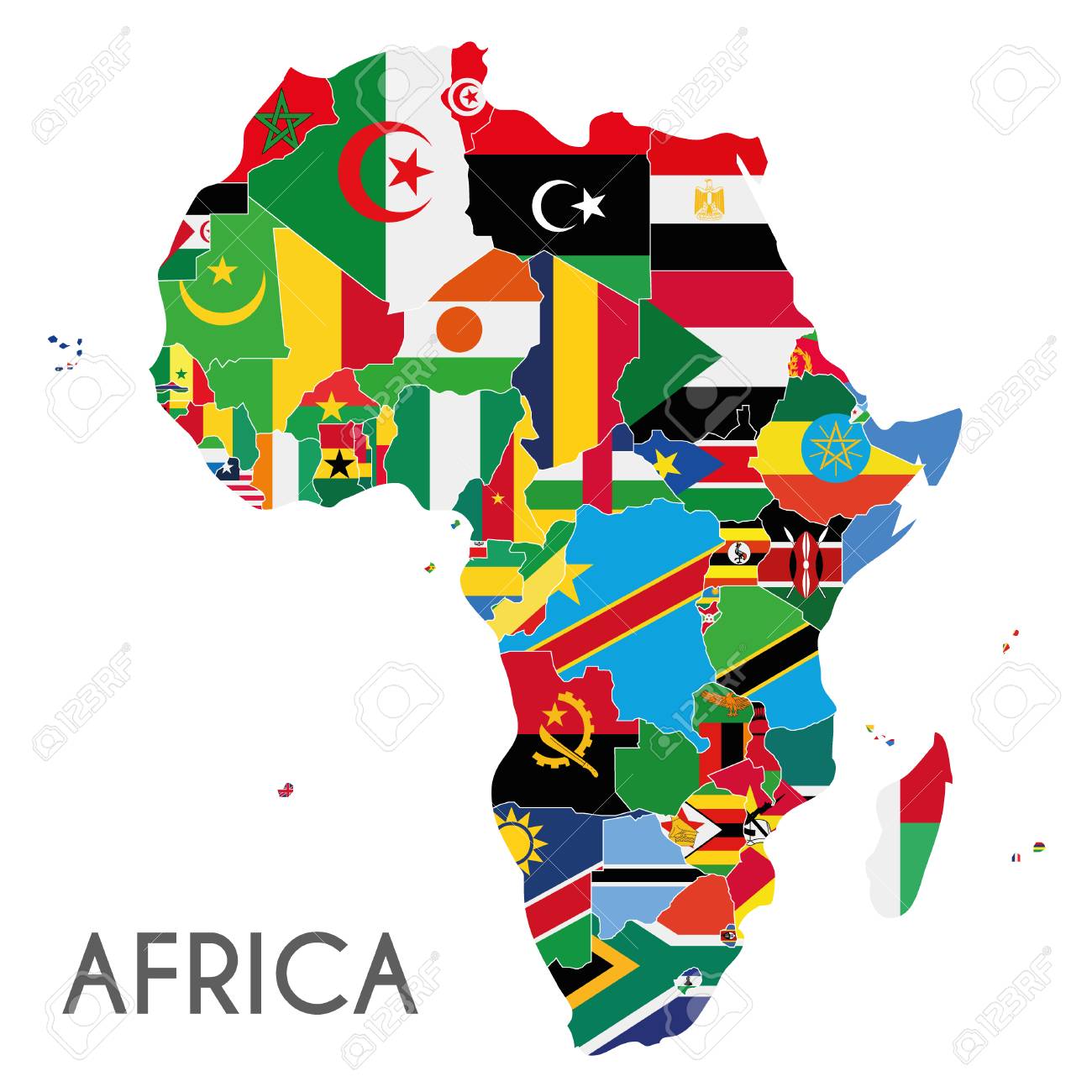
Political Africa Map vector illustration with the flags of all countries.


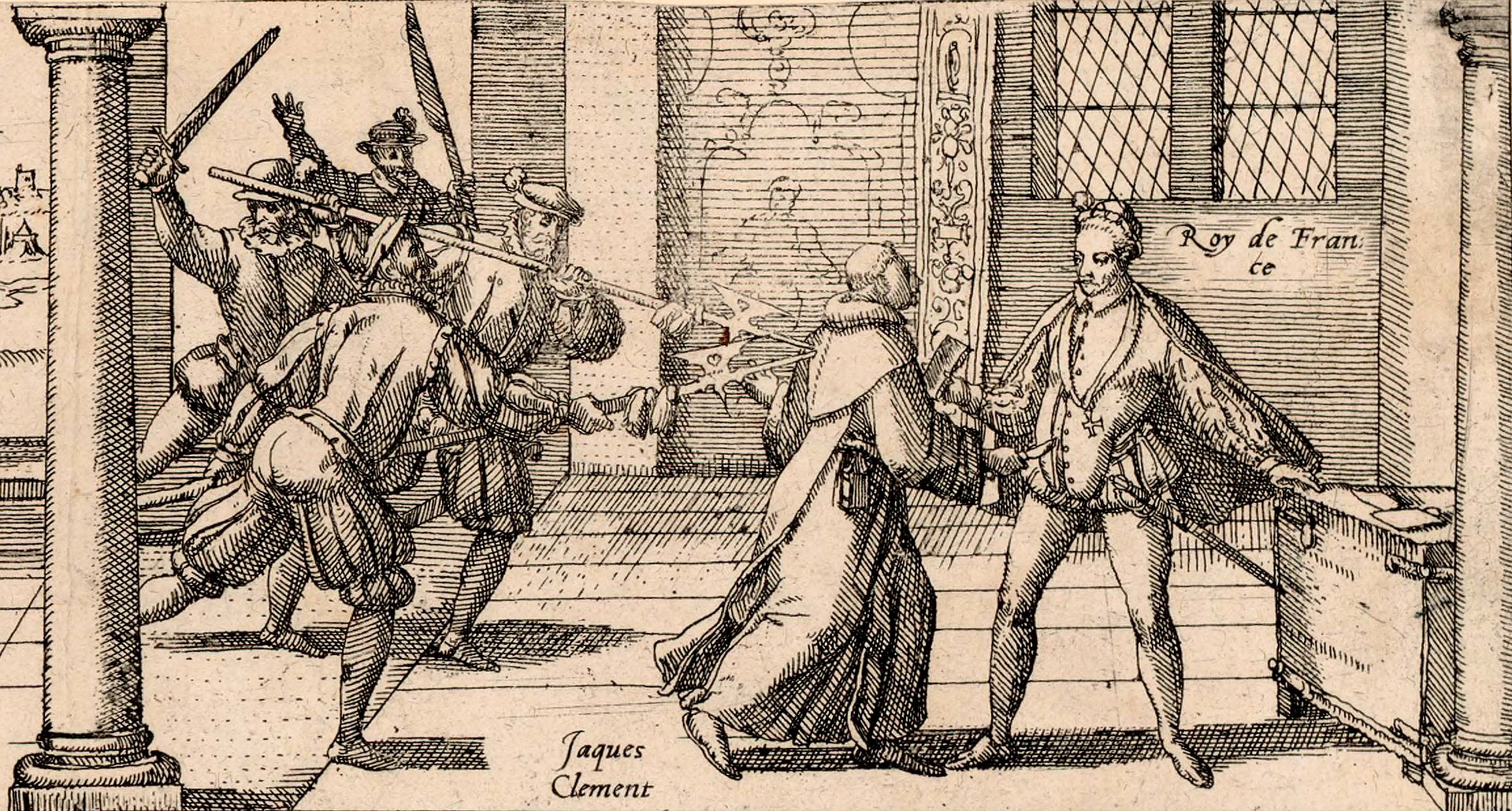
POLITICAL ASSASSINATIONS.

Assassination is the act of killing a prominent person for either political, religious or monetary reasons. One of the most odd assassinations in history has to be that Abraham Lincoln. On the evening of April 14, 1865, John Wilkes Booth, a famous actor and Confederate sympathiser, assassinated President Abraham Lincoln at Ford’s Theatre in Washington, D.C. The attack came only five days after Confederate General Robert E. Lee surrendered his massive army at Appomattox Court House, Virginia, effectively ending the American Civil War. John F. Kennedy was also lost his life at the hands of a sniper in an assassination that rocked the country and to this day still hasn’t been entirely solved, he was assassinated on November 22, 1963, at 12:30 p.m, this happened while riding in a presidential motorcade with his wife and was fatally shot by former U.S. Marine Lee Harvey Oswald firing in ambush from a nearby building. The motorcade rushed to a hospital where President Kennedy was pronounced dead about thirty minutes after the shooting. Mortal shooting of Martin Luther King jr, the most prominent leader of the American Civil Rights Movement, on April 4, 1968, as he stood on the second floor balcony of the Lorraine motel in Memphis, Tennessee where he had come to lead a march by striking sanitation workers. In response to King’s death, more than 100 American inner cities exploded in rioting, looting, and violence. James Earl Ray, a career small-time criminal who became the object of a more than two-month manhunt before he was captured in England, pled guilty to the shooting and received a 99-year prison sentence. He quickly recanted his plea and spent the rest of his life claiming that he had been framed by a Conspiracy that was really responsible for King’s assassination.

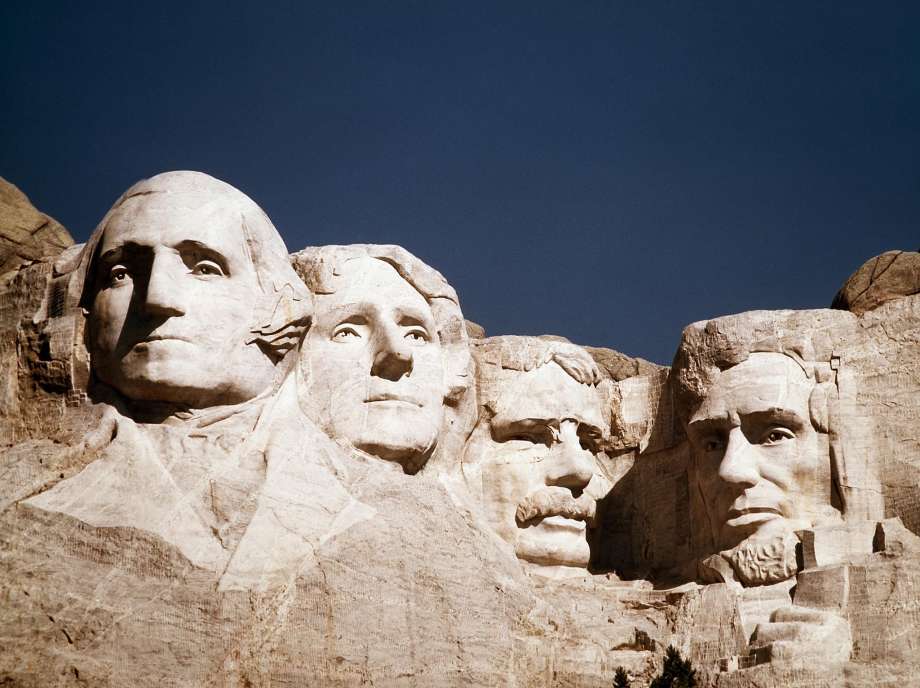
BEST OF THE 45 (USA PRESIDENTS EDITION) *TOP 3*.

For one of the best countries economically and politically in the world, it is only right to give a slight shout out to the men that have lead this great nation to where it is today. From the wars to the social movements against issues of livelihood. First on the list is Franklin D. Roosevelt, he was elected as the nation’s 32nd president in 1932. With the country mired in the depths of the Great Depression, Roosevelt immediately acted to restore public confidence, proclaiming a bank holiday and speaking directly to the public in a series of radio broadcasts or “fireside chats.” His ambitious slate of New Deal programs and reforms redefined the role of the federal government in the lives of Americans. Reelected by comfortable margins in 1936, 1940 and 1944, FDR led the United States from isolationism to victory over Nazi Germany and its allies in World War II. Elected in 1960 as the 35th president of the United States, 43-year-old John F. Kennedy became the youngest man. He was born into one of America’s wealthiest families and parlayed an elite education and a reputation as a military hero into a successful run for Congress in 1946 and for the Senate in 1952. As president, Kennedy confronted mounting Cold War tensions in Cuba, Vietnam and elsewhere. He also led a renewed drive for public service and eventually provided federal support for the growing civil rights movement. His assassination on November 22, 1963, in Dallas, Texas, sent shockwaves around the world and turned the all-too-human Kennedy into a larger-than-life heroic figure. To this day, historians continue to rank him among the best-loved presidents in American history. Last on the list is Ronald Reagan, a former actor and California governor, served as the 40th U.S. president from 1981 to 1989. Raised in small-town Illinois, he became a Hollywood actor in his 20s and later served as the Republican governor of California from 1967 to 1975. Dubbed the Great Communicator, the affable Reagan became a popular two-term president. He cut taxes, increased defense spending, negotiated a nuclear arms reduction agreement with the Soviets and is credited with helping to bring a quicker end to the Cold War. Reagan, who survived a 1981 assassination attempt, died at age 93 after battling Alzheimer’s disease.

RULE OF LAW IN “SUPERPOWER” COUNTRIES

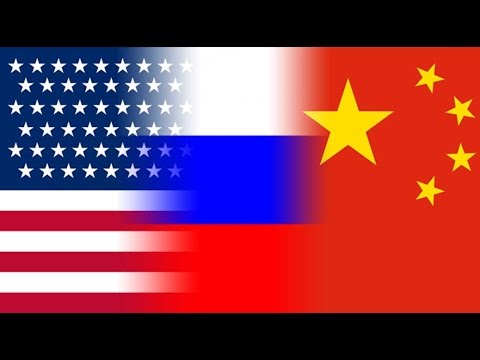
In the USA the Constitution is law, the highest law, and the President, Congress, and the Federal Judiciary are bound by its terms. A government of laws and not of men is, then, the underlying principle of the American political and legal system. Likewise, rule of law means equality before the law While in Russia, since its adoption in a 1993 referendum the Russian Constitution is considered to be the supreme law of the land. Article 15 of the Constitution reads that it “shall have supreme legal force and have direct effect, and shall be applicable throughout the entire territory of the Russian Federation”. In 1999, the National’s People’s Congress (NPC) adopted an amendment to the Chinese Constitution. The existence of the rule of law in China has been widely debated. However, the central government had originally preferred the expression, “strengthening the law/legal system” to “the rule of law”. its legal system has been based on the Confucian philosophy of social control through moral education, as well as the Legalist emphasis on codified law and Criminal sanctions. It is no surprise as to why these countries are ahead in terms of law and limiting corruption and organised crime. The rule of law is clear and adhered of unlike african countries that have low accountability towards such issues.

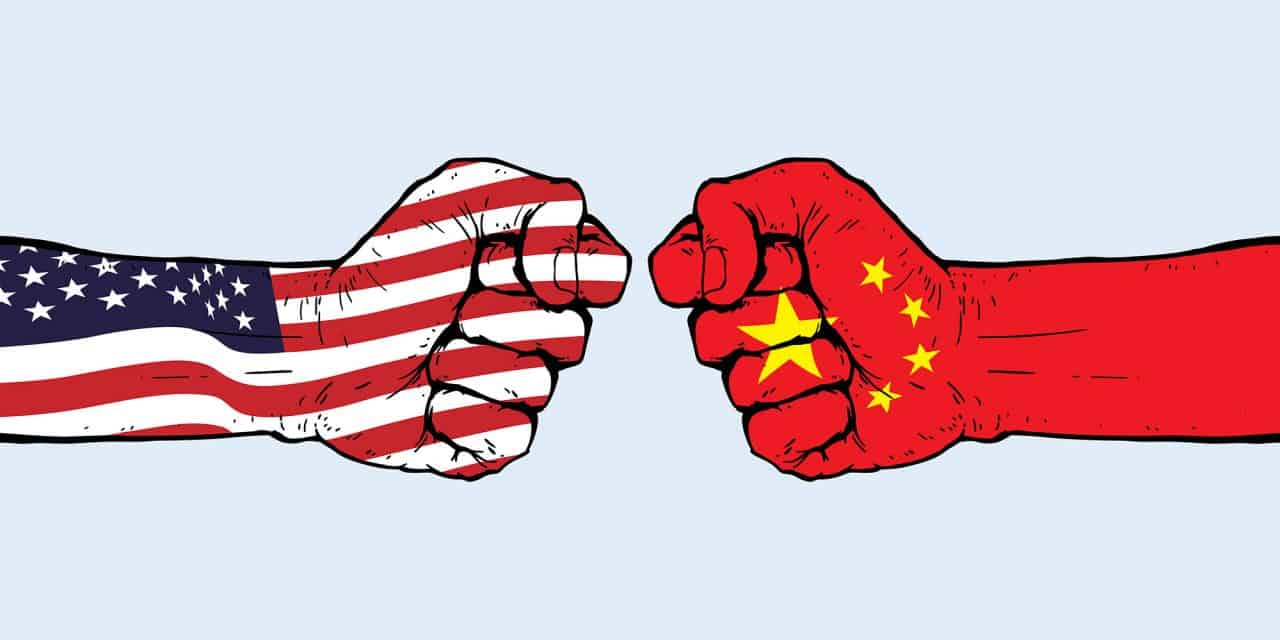
USA, RUSSIA and CHINA FLAG.

DO VOTERS MAKE POLITICIANS OR DO POLITICIANS MAKE VOTERS?

All politicians have a stance, whether the issue is abortion, equal rights or gun control, but what if organizations aligned with these issues actually make it impossible for politicians to not be against them because in all realness politicians need votes and people in these organizations provide votes so it might seem easier for a political candidate to align themselves with them for success. This explains why most politicians seem outrageous to support these unusual stands such as pro gun control and others. These deals are like the superstitious devil-human deals and for these politicians its all business. essentially voters make politicians. They go with the masses.

HISTORICAL INFRASTRUCTURE AS A PILLAR OF POLITICS.

Great buildings have often been places of interest to the political history of any country, this is where new laws are introduced and written off. this is where new leaders are born and where they perish. For example the White House in USA, The Kremlin in Russia and last but not least Capitol Hill in Washington DC, USA. These buildings serve as a reminder of what the political landscape is shaped, they serve as a stronghold to the country’s dignity. Paris saw one of their historic buildings namely The cathedral Notre Dame burn down in a mysterious fire that essentially started out of nowhere and brought down centuries of history and memories. What concerns me is the level of attention and sorrow people around the world displayed over this tragedy compared to the disastrous wave of Cyclones that hit Mozambique a few weeks ago. The world turned a blind eye as soon as time went by and politically I don’t think that humane.

The Curious Case of Donald Trump (HOT FINGERS)

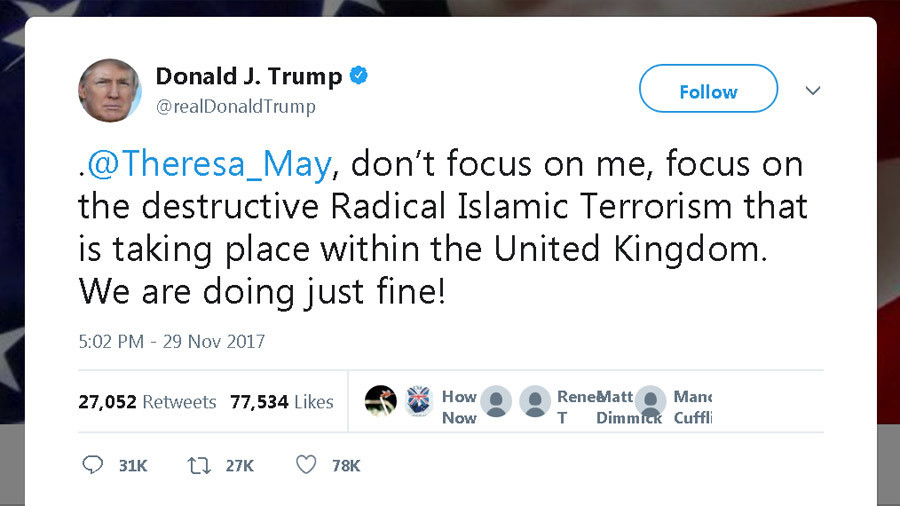
Donald John Trump is the 45th and current president of the United States. Before entering politics, he was a businessman and television personality. Trump was born and raised in the New York City (Queens) and received an economics degree from the Wharton School. He was appointed president of his family’s real estate business in 1971, renamed it The Trump Organization, and expanded it from Queens and Brooklyn into Manhattan. Trump entered the presidential race as a Republican and defeated sixteen opponents in the Primaries. His campaign received extensive free media coverage. Commentators described his political positions as populist, protectionist, and nationalist. Since becoming president his mode of rolling out information has been with twitter. This has given a platform to the site and led new wave of twitter politics whereby people use twitter to debate political content. The US president is now known for being the first super power president to post sensitive material on the site and this has caused some uproar.

What is BREXIT?

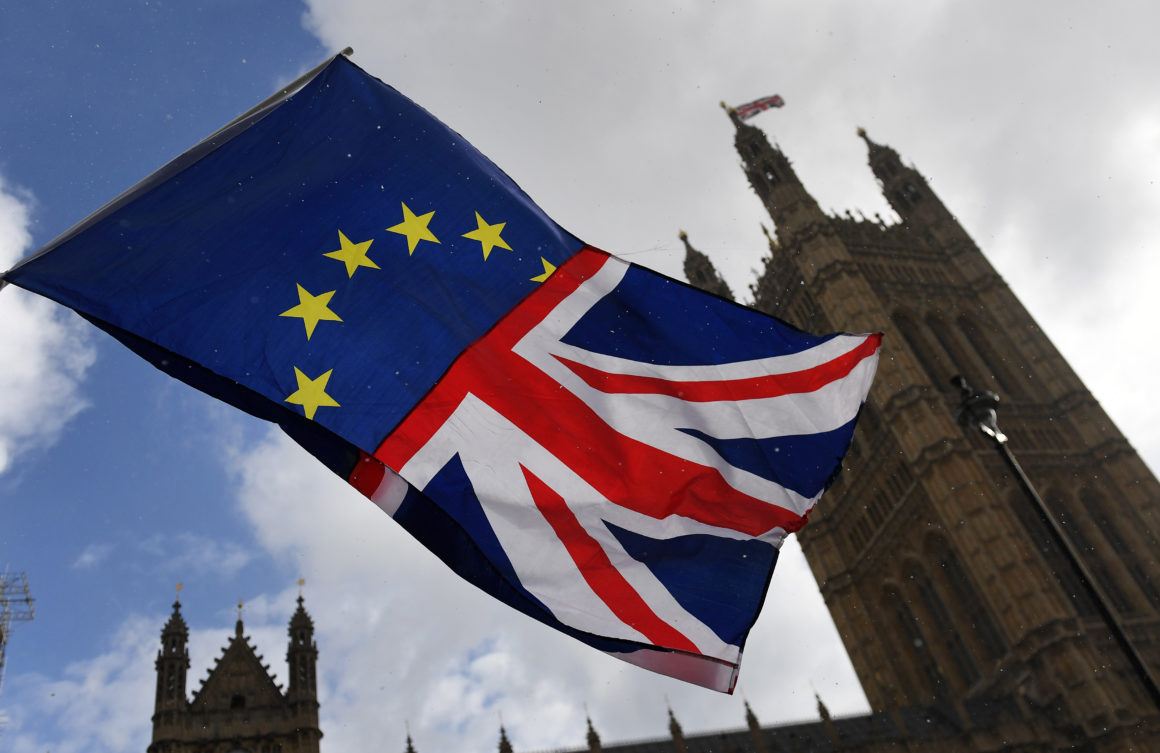
Brexit is the exit of the United Kingdom from the European Union. Following a referendum/decision resulting from a vote held on the 23rd of June 2016 in which 51.9 per cent of those voting supported leaving the European Union. This caused outrage for those people that were left shocked as to why this is the case, European Union countries for one who had their sights on protecting their economy. Of recent the Brexit deal has found itself in hot soup as the government and the house of lords in England has found it difficult to agree on a mutually benefits deal. This comes as a result of the lords denying the May deal surfacing rumors of a no deal Brexit. The question now is where does this leave the common interests of the English people?

Pro EU protesters wave a joined EU and Union flag outside of the British Parliament in Westminster.

TRADE WARS

A trade war is an economic conflict resulting from extreme protectionism in which states raise or create tariffs or other trade barriers against each other in response to trade barriers created by the other party. A recent headline has been the American VS China trade war. President Trump has been seen tweeting about this issue for the longest time and he finally issued tariffs against the chinese and this has affected the trade relationship between the two countries risking a billion dollar industry if we may call it that. What comes as no surprise but as a very critical issue is that of The unites states president emerging from the private sector of global business. What now can we say the trade war is sparked by? patriotism or personal gain?

HOW HELPFUL IS POLITICS AND DO WE EVEN NEED POLITICIANS.

Politics is important in our lives because politics shapes what we feel is important and subsequently works for the good of the majority and we’re okay with that somehow, or are we? 

In recent times as human beings we have found difficulties with politicians put in place by us because clearly in recent times it seems as if Politics and Politicians have gone off the rails. For example in South Africa the party in control is forever walking through fire as a result of one of their own products, Julius Malema. Does that controversy there help the people in any way? Which begs the question of why politics is helpful at all. 

World politics is a school yard with children holding nuclear codes and missile launch codes and we the people have to be okay with that I guess. How is it possible to trust anyone who isn’t a programmed machine to keep his word. How easy are we as the people fooled by people that are supposed to be the brightest and strongest in our society. What is it that makes us put so much trust in a human being after all he countless horrors caused by leaders in society. From the Holocaust to the US – MEXICO BOARDER CRISIS. How helpful is politics?